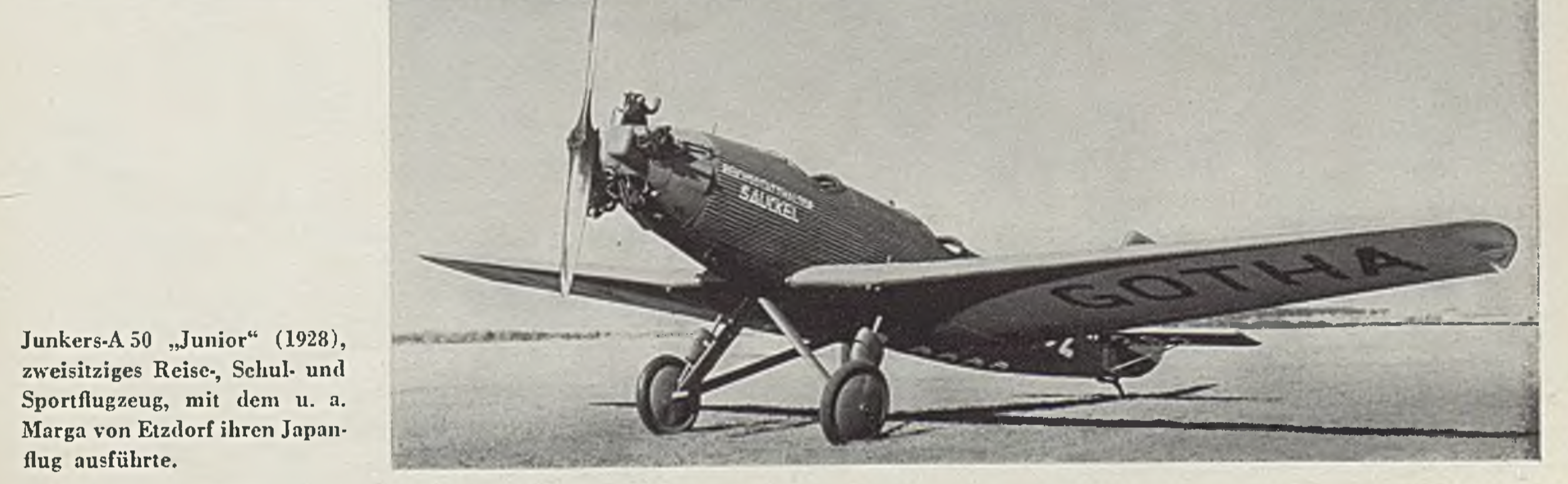
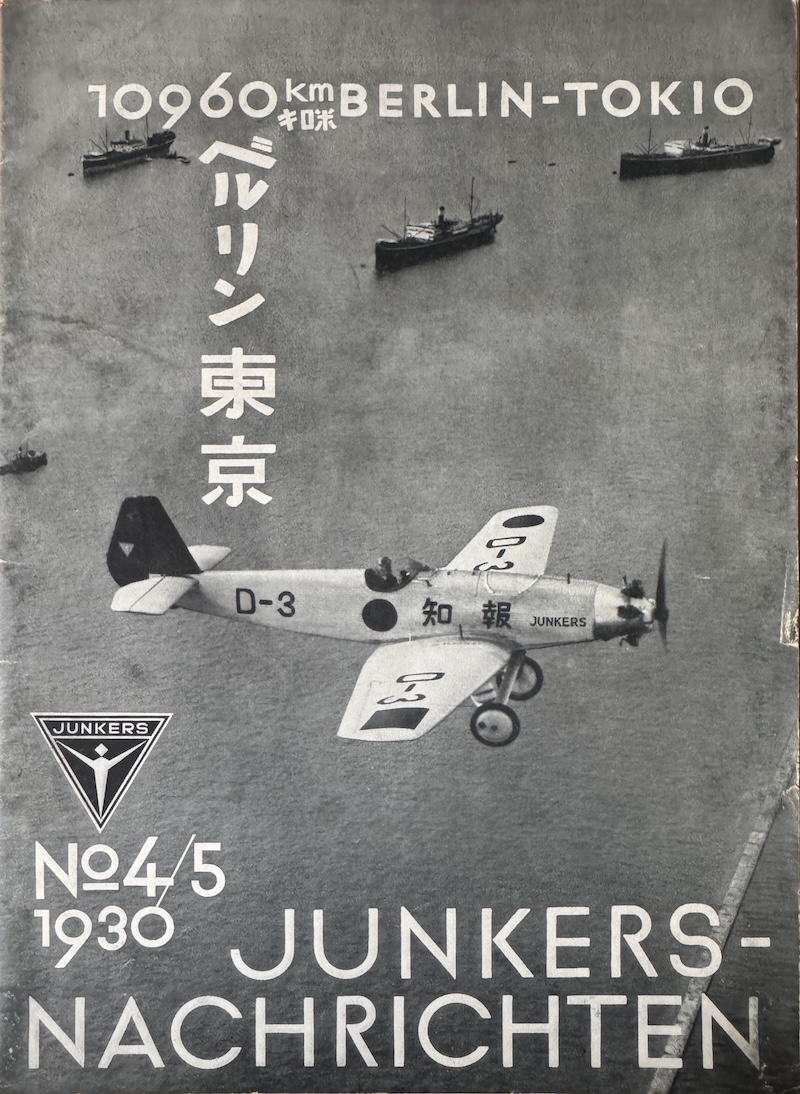
Junkers A50 Junior 1928
Why this page? Nearly 100 years ago, an aircraft was designed and considered the first all-metal sport plane, during a time when aviation was still in its infancy. Pilots flew it to demonstrate its potential, long before the modern aviation network was established. Its design was truly ahead of its time. Thanks to the efforts of Mr. Dieter Morszeck and his team — who previously revived the Junkers F13 — it is now possible for the Junkers A50 Junior to once again prove that its elegant design remains desirable and capable of bringing joy.
At the time, “dead reckoning” navigation (known in German as “Koppelnavigation”) was a primary method used for aerial navigation. It relied on three basic tools: a map, a compass, and a clock.
Before the flight, pilots created a detailed flight plan that included the route and significant landmarks. Using the map, they determined the direction and distance to each waypoint. The compass was used to maintain the correct heading, while the clock helped track elapsed time, allowing the pilot to calculate the distance traveled.
A key factor was the aircraft’s speed, which was estimated or measured with simple instruments to calculate the distance covered over time. Wind conditions, which could affect the flight path, were also considered, often through rough estimates or pilot
experience. Pilots would make necessary adjustments to stay on course.
Dead reckoning required precise planning and constant monitoring, as there were no modern navigation aids like radio beacons or GPS systems available at the time.