Wäinö Bremer
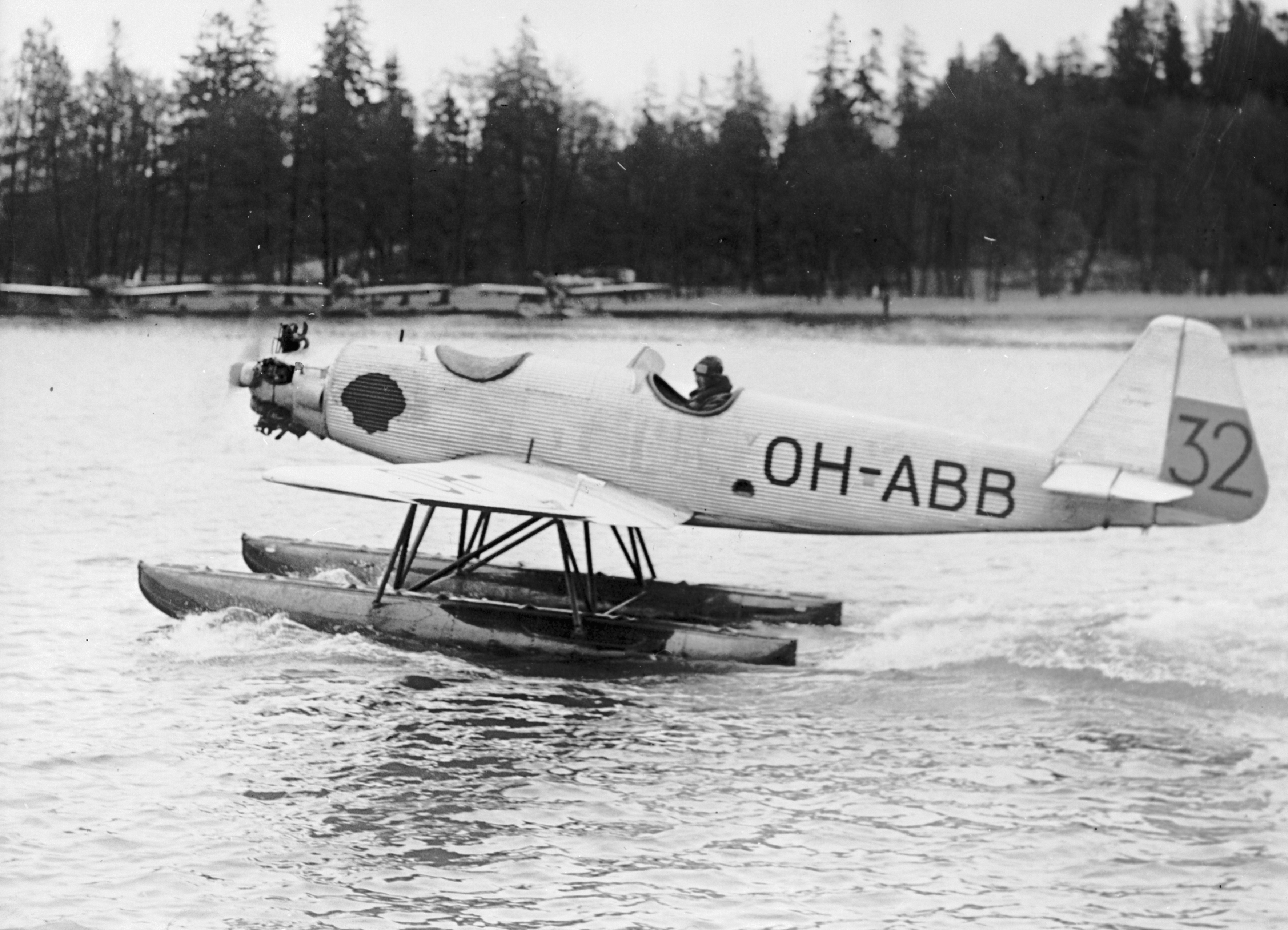
In Four Continents by Sport Plane Foreword In this book, as I recount my experiences as a pilot, I have intentionally limited myself to describing the long-distance flights that I have undertaken in recent years with my own little plane: the flight to Africa in 1932 and the around-the-world flight in 1933, along with the flight around Europe in 1931. These flights represent, for now, the pinnacle of what I have gotten out of flying as a sport during the 6,000 flight hours I have spent in the air. I got my first private plane in 1929. I had behind me seven years as an officer in the Finnish Air Force and three years as a commercial pilot. It was a Klemm with an engine of only 20 horsepower, and it was so inconvenient that in strong headwinds, it would move backward instead of forward. Two years later, I got rid of it and replaced it with a Junkers Junior, with which I made the journeys described in this book. This plane, whose excellence and reliability I have tested in all kinds of weather, is made entirely of duralumin, weighs 370 kilograms, and measures 8 meters in length and 7 meters from wingtip to wingtip. The engine is an Armstrong Siddeley Genet, five-cylinder, 80 horsepower. It gives the plane an average speed of between 120 and 130 kilometres per hour and, under favourable wind conditions, can push the speed up to 175 kilometres per hour. I did not invest in any special equipment for the long-distance flights, no instruments for blind flying, no parachute, or the like. I only brought the usual instruments: altimeter, speedometer (which, by the way, failed me during the around-the-world flight in Constantinople and refused to function any further), compass, tachometer, fuel gauge, thermometer for reading the oil temperature, oil pressure gauge, and fuel pressure gauge. The landing gear is equipped with wheels, but there are also mounting possibilities for skis and pontoons. My plane is named OH-ABB, which may sound strange, but is actually as simple as possible. OH is the international designation for all aircraft based in Finland, and the last B is my private serial number: my first plane was A, and my next will be C. The middle letters AB simply stand for Astrid Bremer. They are a reminder of my wife’s invaluable contribution to all my aviation plans and endeavours, without her encouraging support and moral backing, none of the long-distance flights, which provided the material for this book, would have taken place. Helsinki, September 1933 The Author. | 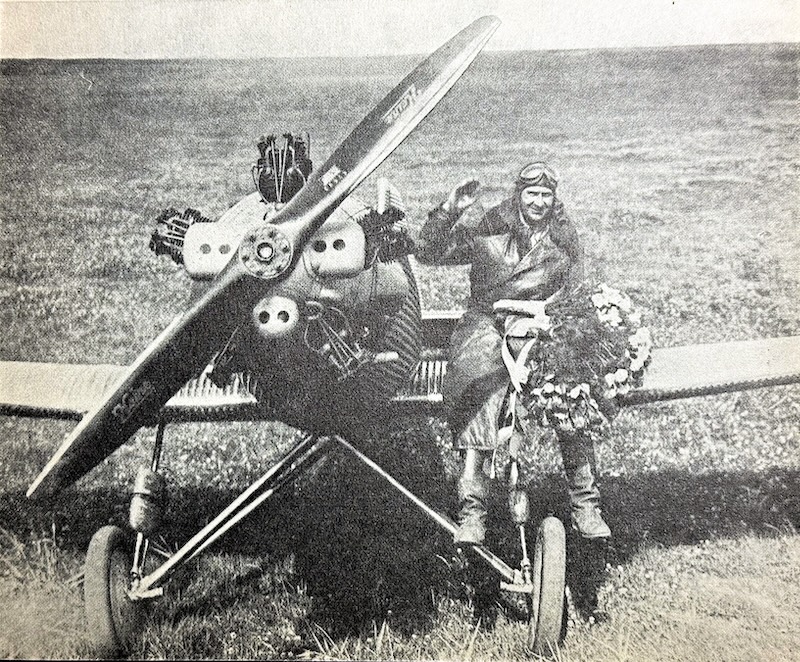 |
 |